September 3, 2026
Wedding Photography for Plus Size Brides
Wedding photography for plus size brides: how to tell before you book whether a photographer will photograph you well, and what to ask before you sign.
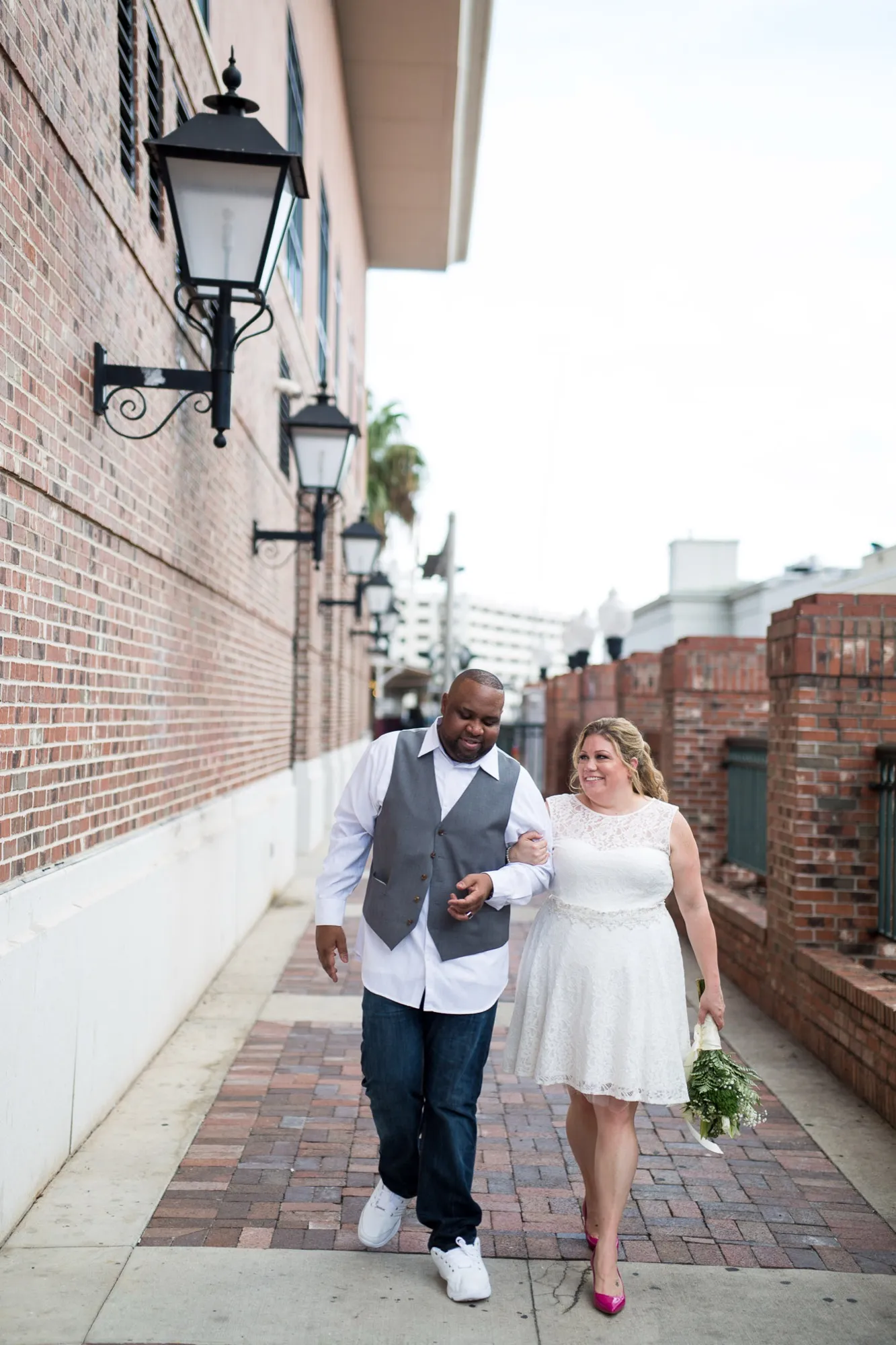
Yes, you can tell before you book whether a wedding photographer will photograph you well. There are three things to check, and together they tell you most of what you need to know. Look at a complete gallery from one wedding rather than the handful of photos a photographer picked out for a website. Ask a few direct questions and listen for whether the photographer can describe exactly how they help someone who feels awkward in front of the camera. And settle the retouching question in writing before the wedding, so you know ahead of time whether anyone plans to change your body in editing.
I’m McKenzie Stewart. When you book McKenzie Stewart Weddings, I’m the photographer who shows up at your wedding, and I’ve photographed over 300 weddings since 2009. Much of my training was about photographing women in a flattering way. I’ve spent more than ten years teaching other photographers how to do it. Nearly every client who hires me says she’s awkward in front of the camera before we ever start, so if that’s you, you’re not the exception. Getting a bride past that is an ordinary part of my day.
How to read a wedding photographer’s portfolio
Look at a full wedding gallery, not the website
Ask for a complete gallery from one wedding, from getting ready through the end of the night. Sending a full gallery to a client is routine for a working photographer, so this is an ordinary thing to ask for. The reason to ask is that a website portfolio only shows a photographer’s best frames. Every photographer curates a small selection of favorites from everything they shoot over the course of a year. A full gallery is what a delivery actually looks like, so it’s the closest thing you have to a preview of your own.
Look for a bride your size across the whole day
Inside that gallery, find a bride close to your size and look at how she was photographed all day long. One good seated photo doesn’t tell you anything, because almost anyone can get one good seated photo. You want to see her standing, photographed head to toe, dancing, walking down the aisle, and hugging her mom.
Then look at where she sits in the frame compared to everyone else at that wedding. A few patterns mean she was being hidden. She’s behind another person in most of the photos. She’s cropped at the chest while everyone else is shown head to toe. She’s sitting while other people stand, or she’s turned so that only part of her made it into the frame.
What to actually judge in those photos
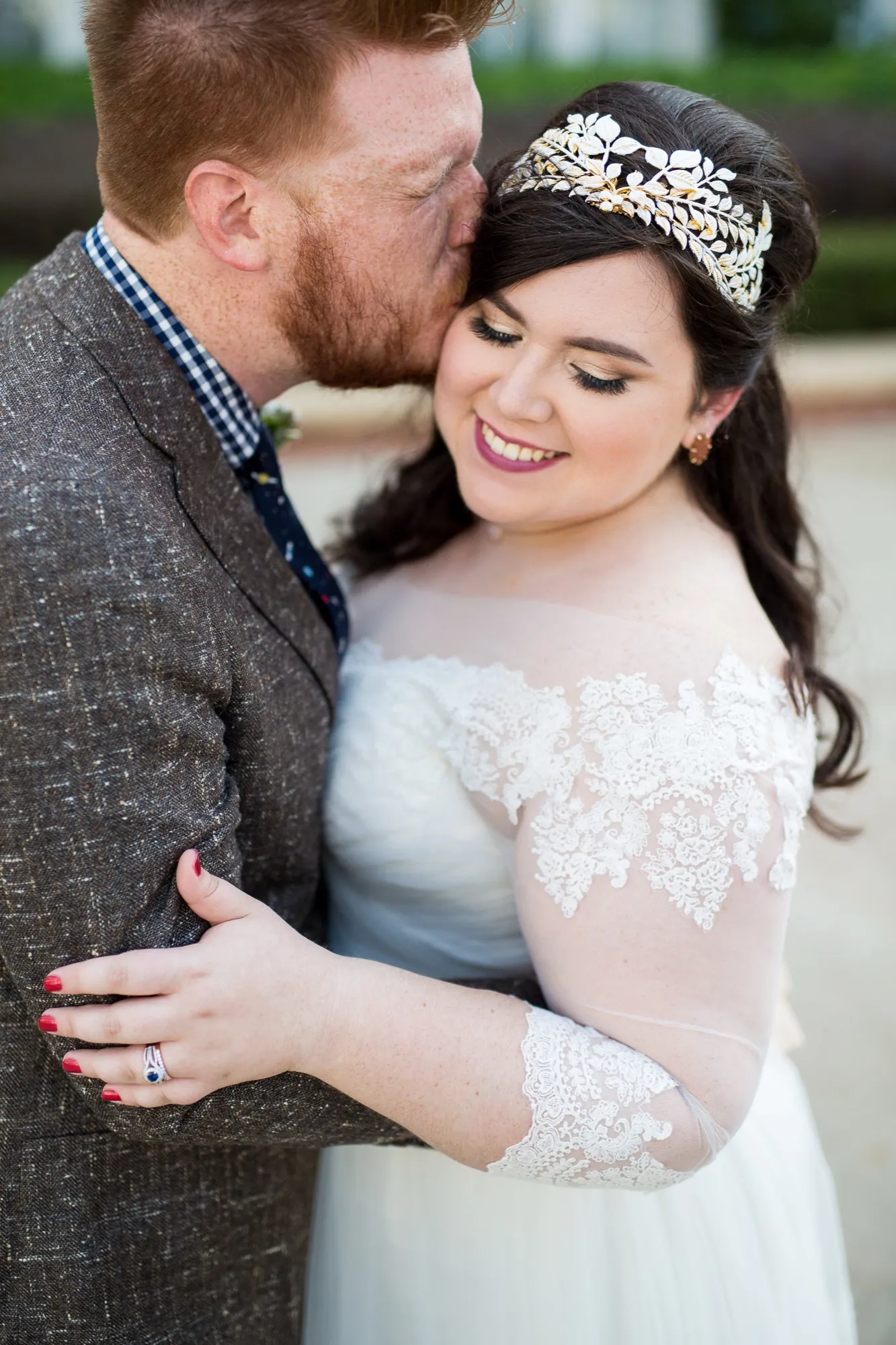
You’ve never met this woman, so you can’t tell whether she looks like herself. Here’s what you can tell:
- Does she look happy, and is her face doing something real, or is she holding a smile in place?
- Was she photographed the way everyone else at that wedding was photographed, from the same distances, at the same angles, head to toe like the rest of them?
- If that were you in the picture, would you be glad it exists?
The third question matters most. The first two just help you answer it honestly.
What does it mean if a photographer has no plus size brides in the portfolio?
Most of the time it means that photographer hasn’t been hired by many plus size brides yet, which is a different thing from being bad at photographing them. Most American women wear a size 14 or larger, and nearly all bridal imagery is built around sample sizes that run about a 2 to a 6. A portfolio with nobody your size in it doesn’t tell you anything either way. If you cross off every photographer whose portfolio is all small brides, you’ll cross off most of them, including people who would do beautiful work with you. So ask, instead of ruling the photographer out.
This part still surprises me. Plus size brides write to me and say some version of “nobody posts photos of plus size brides,” and my honest reaction every time is, what do you mean? I post all of my brides. My work has run in over 25 publications, including Pretty Pear Bride, which is a plus size bridal magazine. I’ve never treated plus size brides as a separate category, and brides tell me that seeing themselves in someone’s work is rare enough that they notice when it happens.
How to bring up your size without it feeling awkward
Say it plainly, in one sentence, in your first email. Something like this works: “I’m a plus size bride and I’ve never liked how I look in photos. Could you send me a full gallery from a wedding where the bride was close to my size?” You don’t have to explain yourself, apologize for asking, or work up to it.
Plus size brides email me specifically because they saw someone their size in my portfolio. A photographer who is good at photographing plus size brides has thought about this long before your email arrived. If the reply is vague, or changes the subject, or leaves you feeling like you asked something rude, you’ve learned something useful. That’s how the same photographer would handle it on your wedding day.
Questions to ask a wedding photographer before you book
Once a photographer’s gallery looks right to you, the next step is usually a call or a meeting, and I’ve been on the other side of a lot of those conversations. Any photographer can say they love photographing every shape and size. A photographer who has actually done it can tell you exactly what they do.
| The question | Why it matters | What a good answer sounds like |
|---|---|---|
| How do you direct people who feel awkward in front of the camera? | Good photos of people who aren’t models come from a photographer who is actively guiding you. Someone without a method will leave you standing there waiting for something to happen. | A specific description of what they say and do during a session, rather than a promise that you’ll feel comfortable. |
| Where will I be standing in the family and group photos? | Group photos are where people often get quietly moved to the back row. It’s your wedding, so you should be at the front of them. | The photographer arranges each group personally, rather than handing it to a relative to organize. |
| Who is the photographer at my wedding? | The gallery you liked is one photographer’s work. If a different photographer shoots your wedding, nothing you checked applies to them. | A name, and a portfolio that belongs to that name. Some larger companies assign a photographer closer to the date, so ask early. |
| What happens if I tell you on the wedding day that I don’t like how something looks? | You won’t have time to sort this out in the middle of your own wedding. Find out now whether the photographer will change what’s bothering you or just tell you that you look great. | A plain description of adjusting on the spot, and an invitation to speak up the moment something bothers you. |
Red flags when you’re vetting a wedding photographer
These are the answers that would make me keep looking:
- “Just be natural” or “pretend I’m not here” offered as the whole method, because almost nobody looks natural on command, and you’ll spend the day working it out by yourself.
- A list of poses to practice at home, because that hands you a job the photographer is being paid to do, and a pose you had to memorize looks memorized in the photos.
- Any talk of hiding, minimizing, or camouflaging parts of you, because that is a plan to show less of you in your own wedding photos.
- Discomfort, vagueness, or a subject change when you bring up your size, because that is what the wedding day will feel like too.
How to talk about retouching before you book
Two different things get called editing, and it helps to keep them apart. Routine editing is brightness, color, and white balance. That work makes the photo look the way the moment looked when you were standing there. Every photographer does it, and it’s what “edited images” means on a price list. Changing your body is a different job. Slimming an arm, narrowing a waist, reshaping a face: all of that changes what you actually looked like on your wedding day.
If you don’t want your body changed, say so in plain words. “Please don’t slim or reshape me in editing. I want to look like myself” is enough, and it won’t offend a professional.
If you do want something changed, say that too, and be specific. A breakout on the wedding day, a bruise on your arm, a bra strap that slipped into a photo: those are ordinary requests, and photographers handle them all the time. You can ask for a blemish to be removed and still ask that nothing about your body be changed. Both requests can go in the same email.
Whichever you want, get it settled in writing before the wedding. A photography contract is supposed to spell out exactly what level of retouching is included. Handle it now, while you can still hire someone else if the two of you disagree. Once the photos exist, all you can do is ask.
For my part, I don’t alter bodies or faces at all. My editing corrects brightness, white balance, and color so the photos look the way the day looked. The version straight out of the camera and the version I deliver shouldn’t look very different from each other.
What a good photographer does on your wedding day
Expect to be directed, and expect a lot of it. Photos that look relaxed and candid come from a photographer who is actively guiding you, because very few people look natural when they’re told to look natural. Good direction gives you something to do. A photographer might ask you to walk toward the camera and tell your partner what you were thinking when you first saw them that morning, or to put your foreheads together, or to whisper something you wouldn’t want anyone else to hear. Those get a real reaction out of you, and real reactions are what make photos you still like looking at in twenty years.
You shouldn’t be getting a running list of instructions about your chin, your arms, and your angles. I don’t tell anyone where to put their chin. If you’re worried about a double chin, or an arm you don’t want to look at, I handle it inside the prompt. I’ll ask you to do something a little silly that has nothing to do with your chin, and while you’re busy doing that, your chin is already where I needed it. A photographer who knows how to flatter people does it quietly, and you shouldn’t be able to feel it happening. If you can feel someone working around your body all day, you’ll spend your wedding thinking about your body, which is the thing you were trying to avoid.
Family and group photos need their own answer. That’s where somebody usually gets moved to the back row, and it happens fast, without anyone meaning anything by it. A photographer who knows what they’re doing arranges each group personally instead of letting a relative organize it, puts you and your partner in place first, and builds the rest of the group around you. Height differences and size differences are just things a photographer adjusts for. You’re the reason the photo exists, so you belong at the front of it.
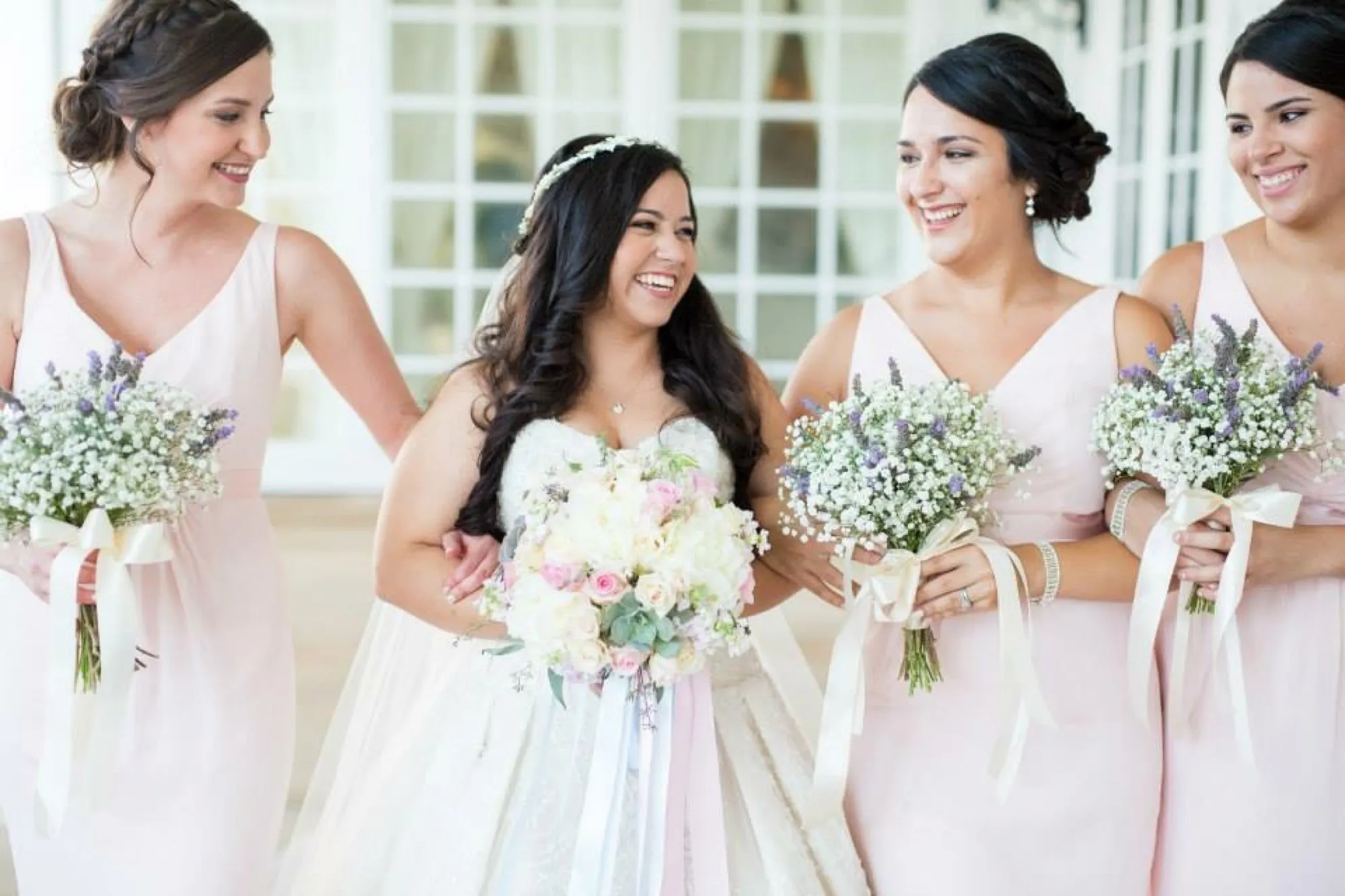
One more thing, because you’ll run into it while you’re shopping. Some photographers promise to make you look slimmer in the photos, and I don’t make that promise. A plan that starts with making you look smaller treats your size as a problem to solve, and that shows up in how you get photographed all day. I’ll promise you something different: you’ll look like yourself and you’ll look beautiful, and that comes from how you’re photographed on the day, not from anything done to the photo afterward.
Book an engagement session as a test run
Everything up to this point you can do without spending anything. The strongest test does cost money, and it’s being photographed by the person before your wedding. An engagement session is the same photographer doing the same job on a day that isn’t your wedding. There’s no timeline, no relatives waiting on you, and nothing that has to be redone if you don’t like the photos. Book one once you’ve narrowed your list. Every other check has you judging photos of another bride, and this is the one that gets you photos of yourself.
Two things to pay attention to. During the session, notice whether you start to forget the camera is there. Afterward, when the photos come in, notice whether you like them.
The awkward part doesn’t last as long as you’d think. In my sessions it’s usually gone within the first 10 to 30 minutes. Everyone arrives a little stiff, including the ones who tell me right away that they’re sure they’ll be the worst on camera. They’re always wrong about it. Every one of them ends up loving how they look in the photos. I’m awkward in front of a camera myself and I don’t like having one pointed at me, which is a big part of why I know how to get someone past it.
With me, the engagement session is included free with wedding packages of eight hours or more. Once your venue and date are set, a $500 deposit holds the date, and $500 is also what a standalone engagement session costs. So if you book, do the session, and decide I’m not the right photographer for you, you’ve spent exactly what the session would have cost you on its own.
Let’s talk about your wedding photos
If you’re still shopping, email me at mckenzie@msweddingimage.com and tell me about your wedding. I’m happy to walk you through my full portfolio, including plenty of brides close to your size, before there’s any talk of booking, and if you’d rather sit down and go through photos together, I’d love that! Ask me anything you want about how I photograph women, including the parts that feel awkward to ask about. Those are my favorite questions.