August 26, 2026
Best LGBTQ+ Friendly Wedding Photographers in Las Vegas: How to Find Yours
Looking for LGBTQ+ friendly wedding photographers in Las Vegas? How the posing works without a bride and groom, how to build a shortlist, what to ask.
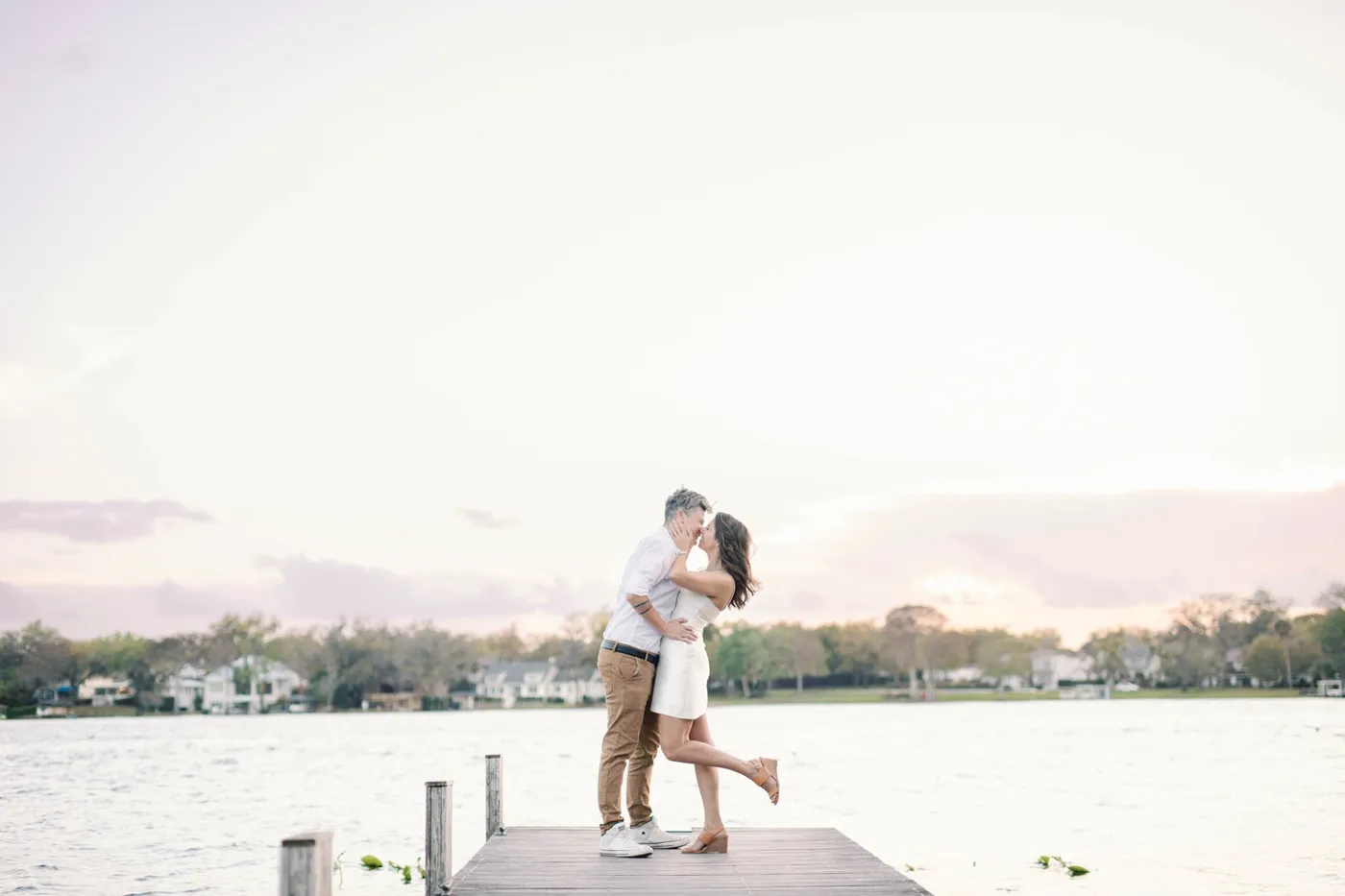
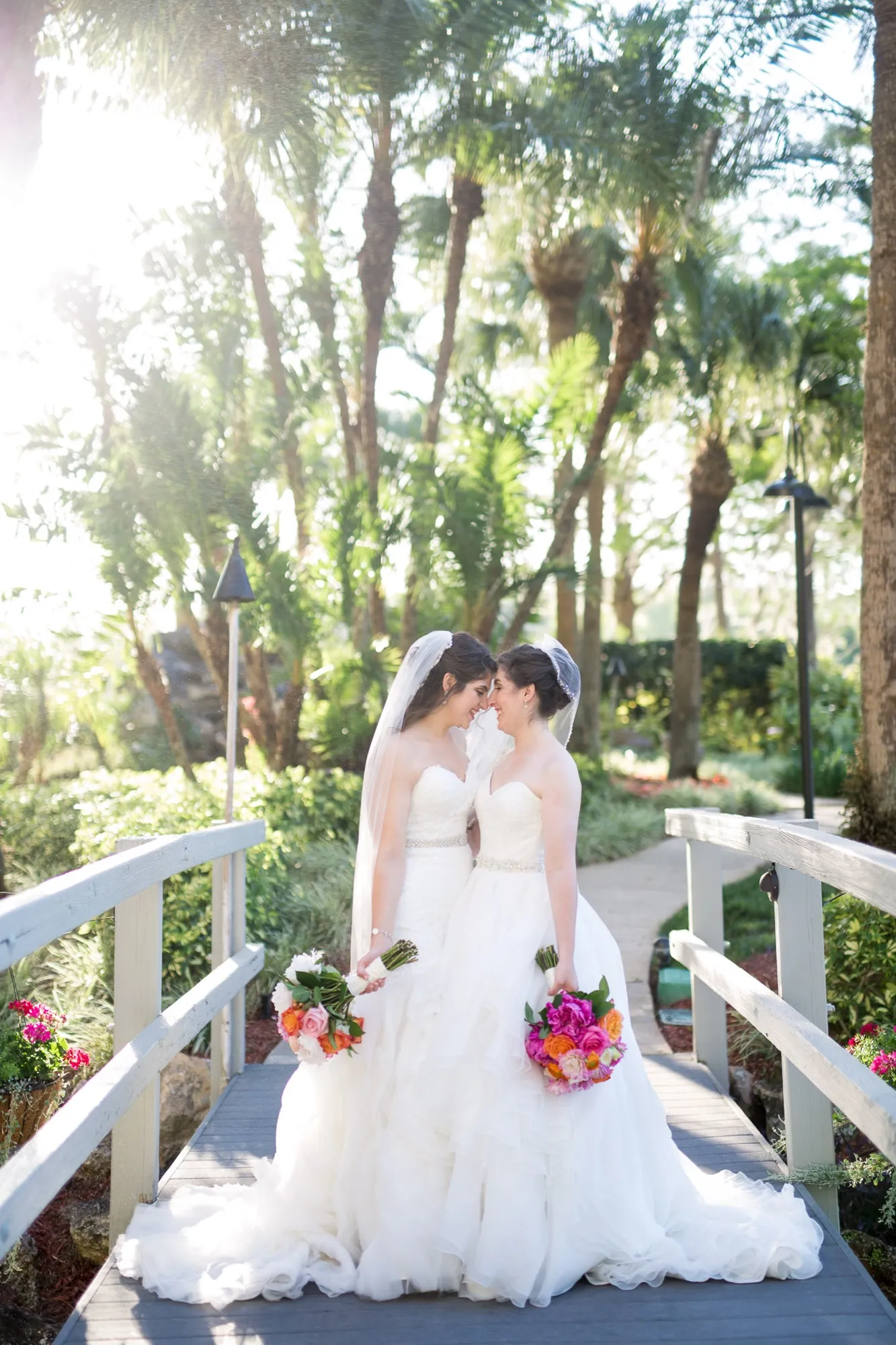
The best LGBTQ+ friendly wedding photographer in Las Vegas is the one who can show you how they’ll handle your wedding before you pay them anything, and there are four things you can check. They use both of your names and your pronouns correctly after you tell them once. They can show you a whole wedding they shot from start to finish, not just the best few photos on their homepage. They can tell you how they’d photograph the two of you without a bride and groom template. And they’ll put the name of the photographer who’s actually coming to your wedding into your contract. A rainbow graphic on a website takes a minute to add, and it tells you nothing about how the day will go. Each of those four asks a photographer to show you something specific instead.
I’m McKenzie. McKenzie Stewart Weddings is one person, and that person is me. I’ve photographed weddings in Las Vegas since 2009, more than 300 of them myself. I’m not queer. I’m an ally, and I’d rather say that up front than have you work it out later.
That last check matters here in particular, because some of the wedding photography sold in this city comes from companies that assign you a photographer off a roster. All four are worth asking about, even with a photographer you already like. About 1 in 10 LGBTQ+ people who’ve had a wedding say they ran into discrimination while planning it. The same research found that some couples who avoided it said they had sought out vendors already known to be LGBTQ+ friendly, rather than assuming any vendor would be fine.
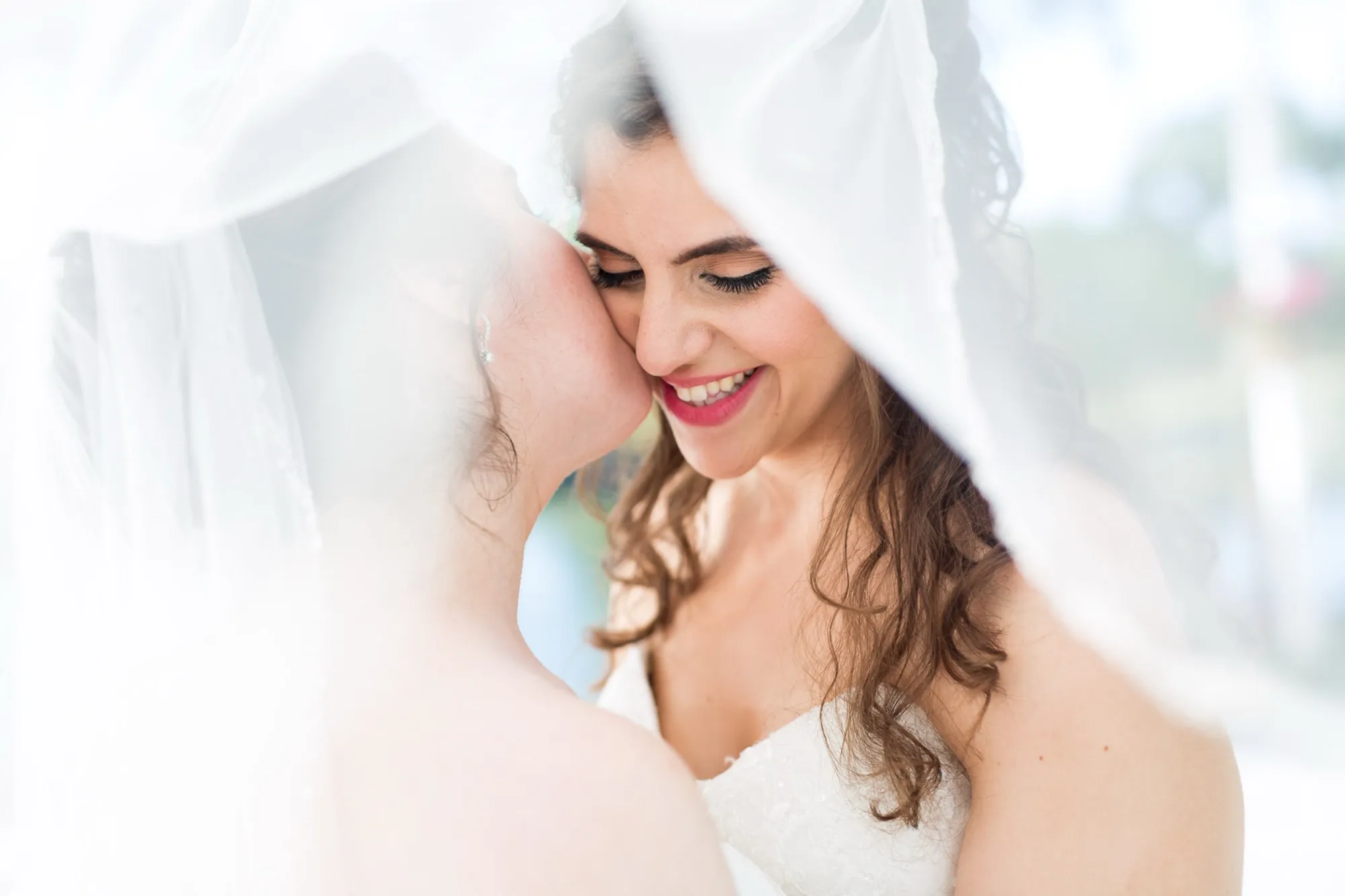
How Posing Works When There’s No Bride and Groom
The worry usually isn’t rudeness. It’s ending up in photos where the two of you got quietly sorted into a bride slot and a groom slot, because that’s the arrangement the photographer knows. That comes down to how a photographer works, not to how kind they are. You can ask somebody how they work before you book, and their answer will tell you a lot. So this is one wedding worry you can settle in advance, rather than finding out when the photos come back.
Two photographers can shoot the same wedding and work completely differently. One of them directs by posing: chin here, hand there, weight on your back foot. Those instructions usually got built around one person in a dress and one person in a suit, and they don’t fit when that isn’t you. The other directs by prompt, which means handing you something to do instead of a position to hold. Walk over to that corner and tell each other about the day you met. Put your foreheads together and just breathe for a second. I work the second way. I don’t tell anybody where to put their chin, and a prompt works the same no matter what either of you is wearing.
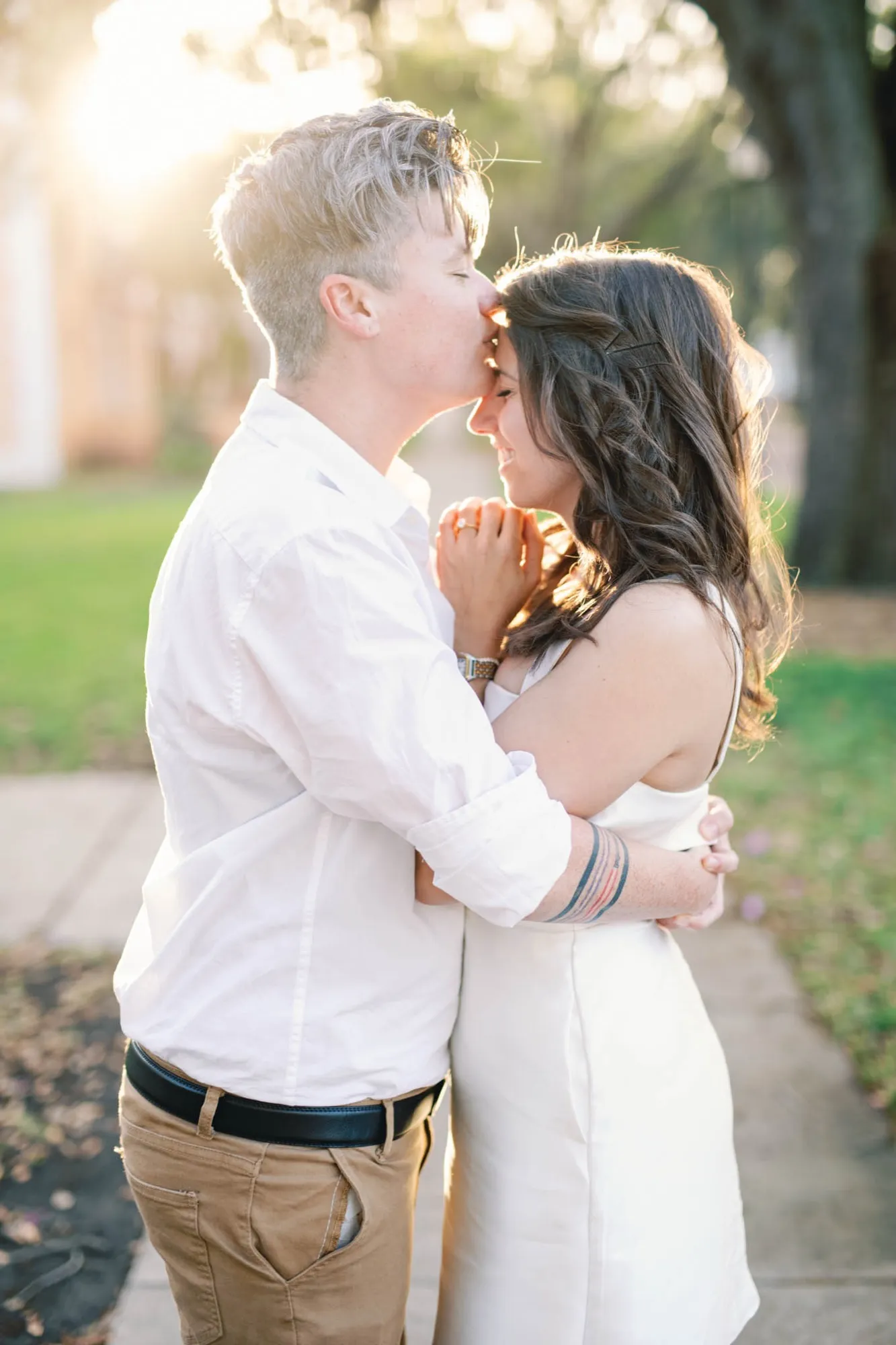
Here are the situations couples ask me about most, and what a photographer should be doing in each one.
Two suits. The hardest part is knowing what to do with your hands. With one person in a dress, the default is a hand at the waist and a hand holding flowers, and nobody has to think about it. Two suits and there’s no default at all. The fix is to give your hands something to do: one in a pocket, one on the other person’s lapel, both of you holding each other’s arms rather than letting them hang. Jackets matter too. A photographer who’s paying attention will tell you when to button up and when to leave it open, because a buttoned jacket sits clean when you’re standing and pulls when you sit down.
Two dresses, especially two long ones. Two trains end up on the same patch of floor, so somebody has to decide which way each one falls before you stand next to each other. That’s a quick decision if the photographer makes it and a long awkward pause if they don’t. Ask how they’d handle it, and listen for whether they’ve thought about it before or are hearing the question for the first time.
A big height difference. This is where the bride and groom template causes the most trouble. The standard setups assume the taller person is the groom and build everything else around that. When neither of you is a groom, the photographer has to think about height for the two of you specifically. Standing on different ground levels works. Sitting down for part of it works. Changing the camera height works. I handle it inside the prompt, so it feels like one more slightly silly thing I asked you to do. That’s on purpose. Nobody wants to be told out loud that they’re being adjusted, and you shouldn’t have to think about it at all. That part is my job.
Who walks in, and how. Settle this early, because it decides where the photographer stands. Both of you can walk, together or separately. One can walk and the other can wait. You can meet in the middle. You can skip the aisle completely. All of that is normal. What you want is somebody who asks what you’re doing before they pick their spot, because a photographer who already assumed which one of you is waiting at the front will be pointed the wrong way when the doors open.
Where to Find Photographers Worth Asking
Most couples begin with the diversity filters on the big wedding sites, and that’s a fine place to start, as long as you know what the filter does and doesn’t tell you. On The Knot and WeddingWire there’s a Support Diversity filter, and the category you’d be checking is LGBTQ+ owned. Here’s how a business gets it: someone signs into their own account, opens a form, and picks the communities they identify with. Nobody at the platform verifies it.
So the filter is useful for one thing. If you want a queer photographer, that filter is the only tool on the big sites that surfaces who says they’re queer owned, so use it for that. What it can’t tell you is who’s good with queer couples. A straight photographer who’s wonderful with you won’t show up in it at all, and a photographer who does show up in it might still run your wedding day badly. The filter tells you who owns a business and nothing more. You have to ask about everything else yourself.
A few other things work better for building the list, and you can do all of them in an evening.
- Search for weddings instead of for vendors. Put your venue’s name and “wedding photographer” into Google and read the blog posts that come up. Photographers post whole weddings on their own sites, and seeing one that looks like yours tells you more than a filter can.
- Scroll your venue’s location tag on Instagram. You’ll see who’s actually working there most weekends, and you’ll see the couples they photograph rather than the handful of photos they picked for a listing. A photographer who’s queer will usually say so in their own bio, in their own words, which is better evidence than a checkbox.
- Ask your venue coordinator and your officiant. They watch photographers work every single weekend and they have opinions. Ask them this: who have you seen photograph a couple like us and do a nice job of it?
- Ask couples you know. Anyone local who got married recently can tell you what their photographer was like when something didn’t go to plan, which is the part you can’t see from a website.
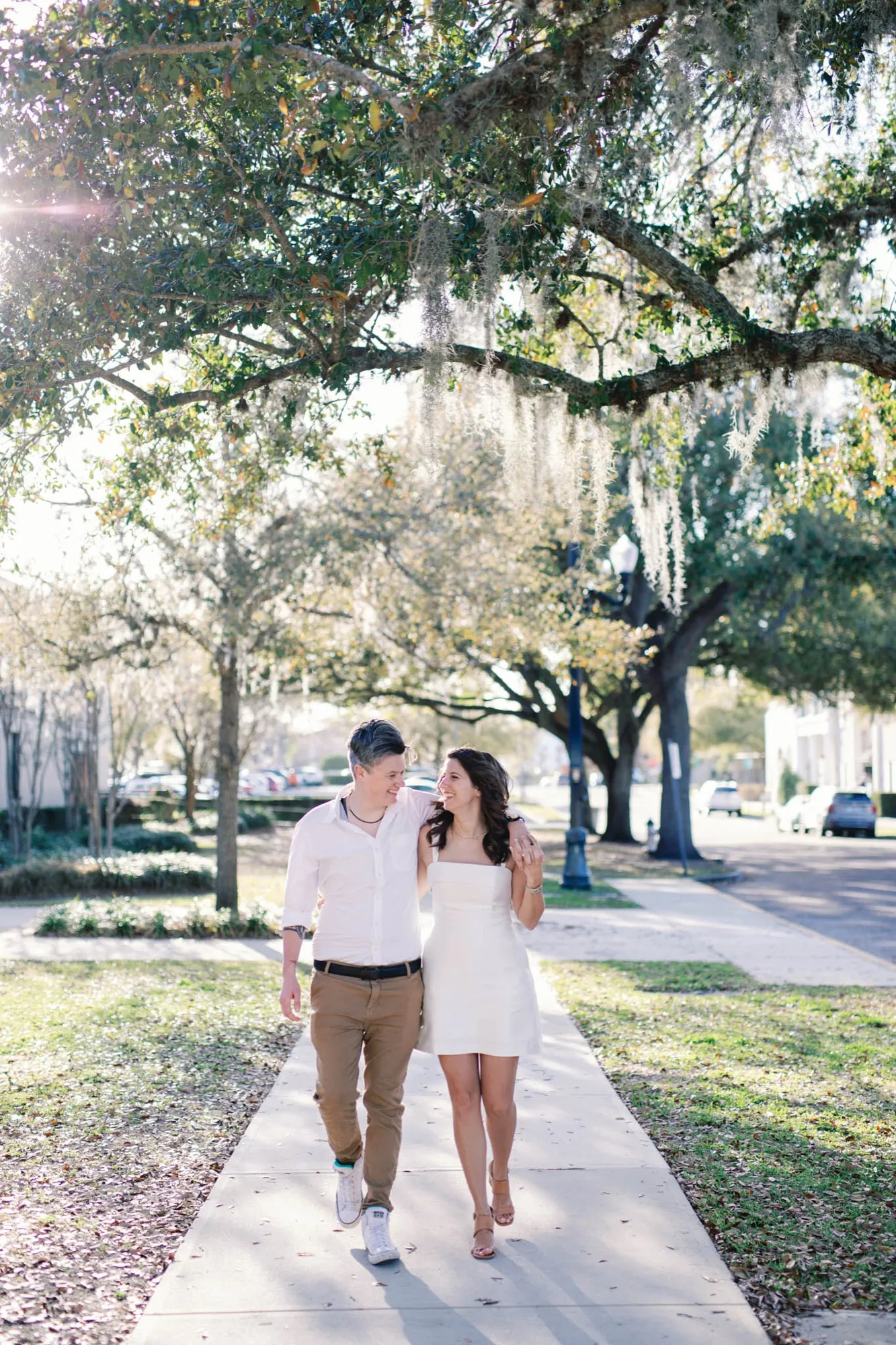
Once you have names, look at a whole wedding from each of them, start to finish. A homepage shows the best photos from years of work, and every photographer has a few of those. A whole gallery shows you the ordinary parts of a day: getting ready, family photos, the middle of the reception. While you’re in there, look at how the couples are arranged. If every couple in every gallery is standing in the same few positions, that photographer is working from a fixed list of setups rather than from the two people in front of them. That list was almost certainly built for one person in a dress and one person in a suit. That’s why I post whole weddings on my blog instead of a page of favorites.
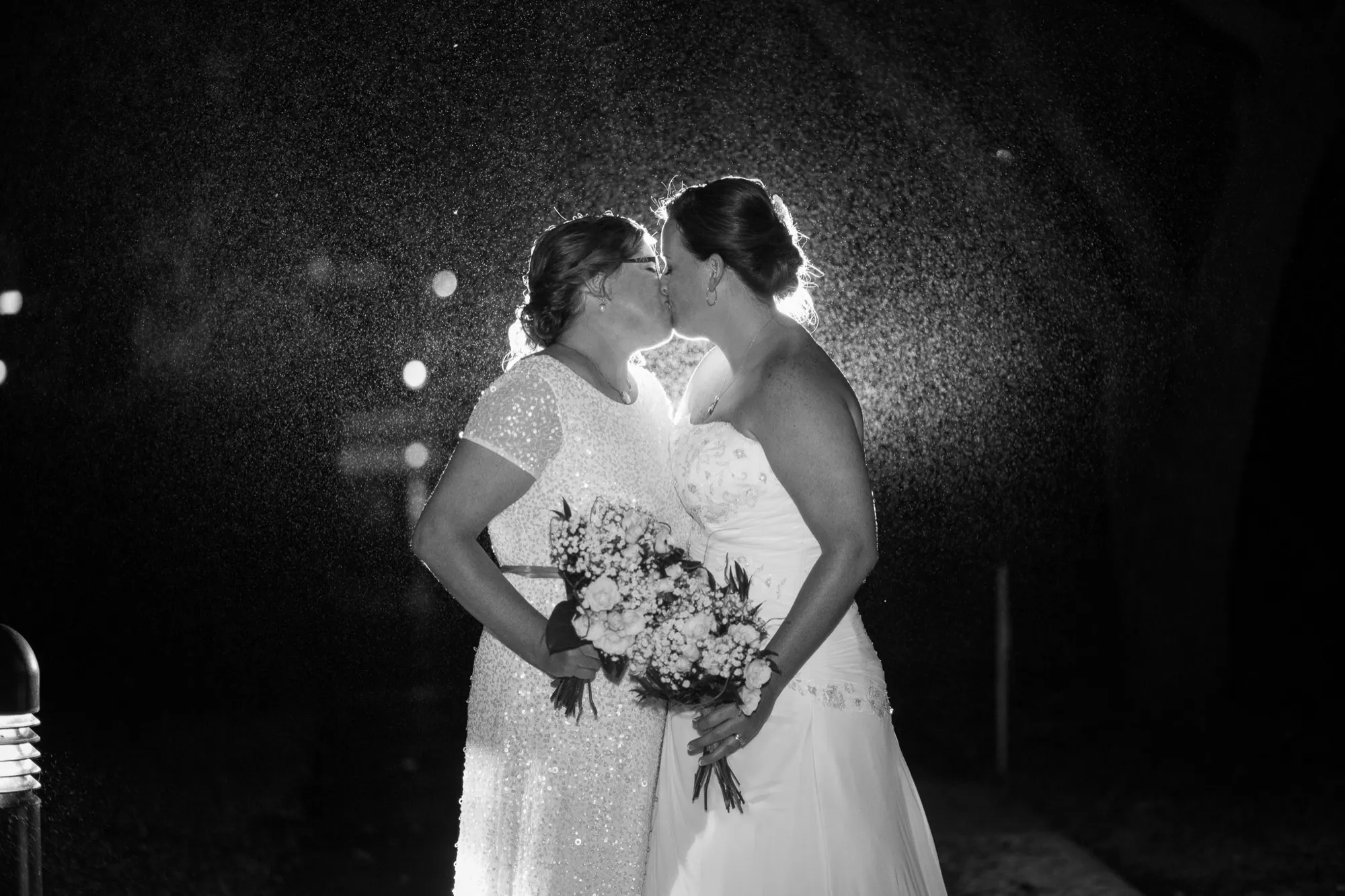
If somebody you otherwise love has few or no LGBTQ+ couples in their public work, that on its own doesn’t settle it. Plenty of photographers post a small fraction of what they shoot, and plenty of couples ask not to be posted at all. It does mean you have to ask. And if the question itself annoys them, you’ve learned something now rather than on your wedding day.
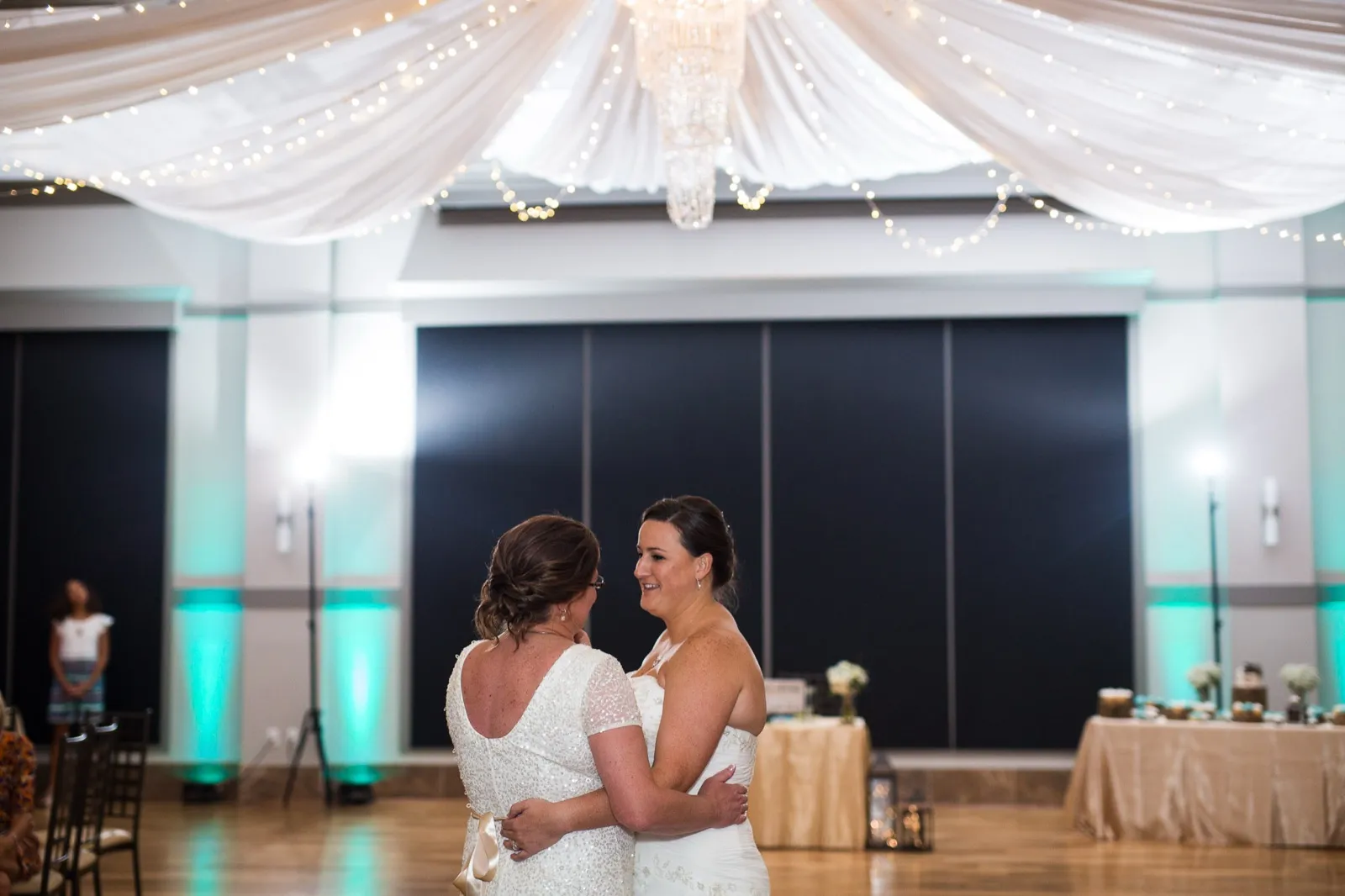
The Questions to Ask Before You Book
Those four checks are just questions, and you can send all of them in one email before you get on the phone with anybody. Pay attention to how somebody answers, not only to what they say.
- “Our names are ___ and ___, and our pronouns are ___. Will those be what shows up on the contract and in our gallery?” You want a yes, and then you want both used correctly in every message after that one. Email makes this easy to check, because your names are sitting right there in the thread and they can scroll up. One slip in a first reply is nothing.
- “Have you photographed a wedding like ours? Can I see the whole gallery from one?” A link is a great answer. An honest no can be a good answer too, as long as they follow it with something specific about how they’d photograph yours. What you don’t want is only a warm paragraph about how love is love. That paragraph takes a minute to write and tells you nothing about how they work.
- “How do you direct couples during photos? Do you pose people, or do you do something else?” You want a real description of a working method and a reason that method holds up for any two people. “Don’t worry, I’ll pose you” doesn’t tell you anything, because it never says what the posing involves or how it changes when nobody is in a dress. Ask them to describe what they actually do.
- “Who’s photographing our wedding, and will that person’s name be in the contract?” You want a name and a yes. “One of our photographers” and “we’ll assign someone closer to the date” both mean nobody can tell you who’s coming.
That second question is the one I’d want you to ask me, so here’s my answer. Yes, and not as many as I’d like. If I had my way I’d photograph a lot more of these weddings than I do. What I can’t do is hand you a link to a gallery of a couple like you two, so please don’t take my word for it. Hold me to the rest: look at whole weddings, look at how the couples in them are arranged, and ask me the other three questions.
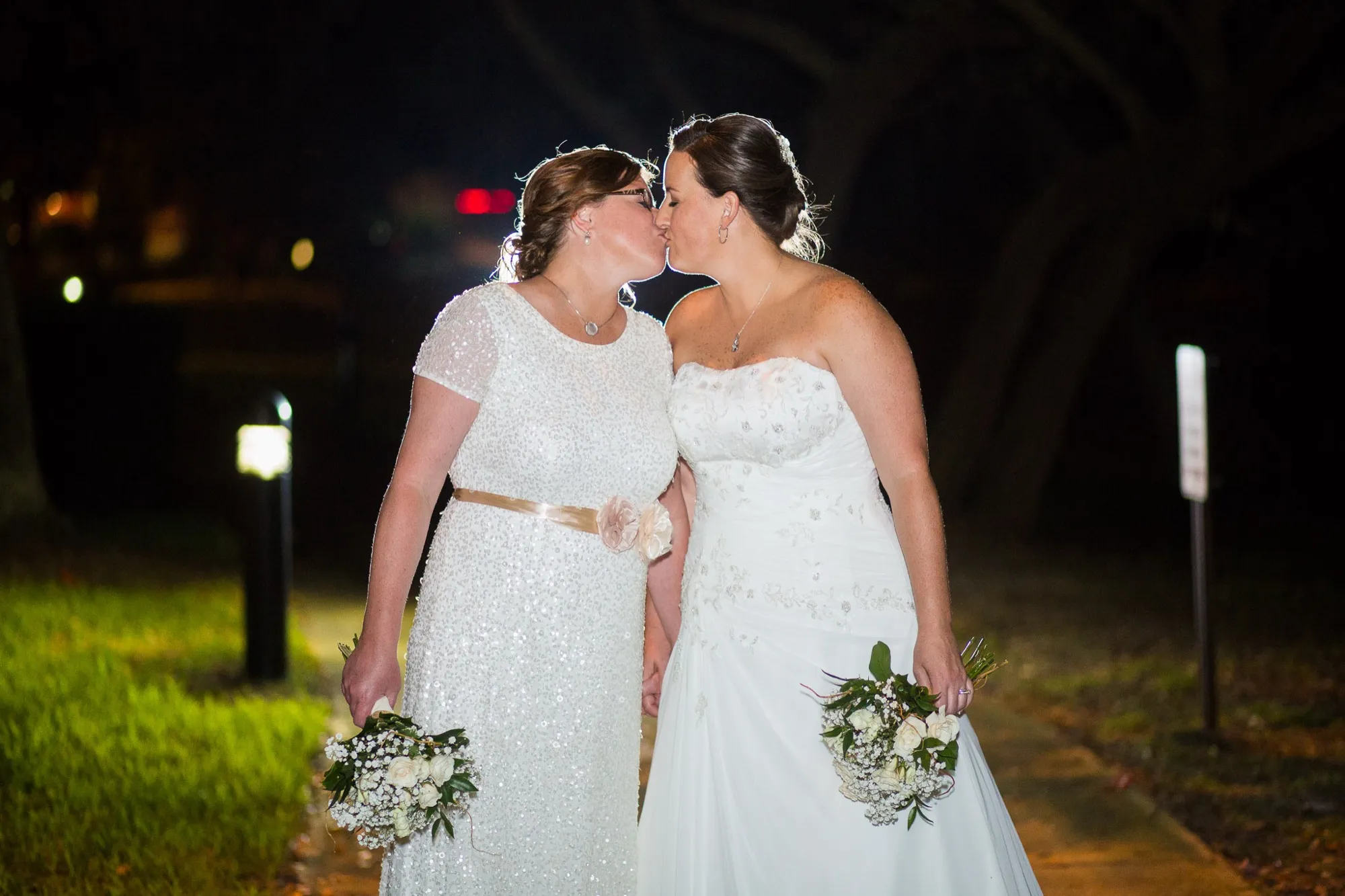
While the replies come in, listen for one more thing. Some photographers will write back about your wedding, and they’ll ask about your plans and what the two of you are like. Others will write back about the photos they’d get out of it. The first kind is a lot easier to spend a whole day with.
What I’d Actually Walk Away From
Most of what comes up while you’re vetting photographers can be fixed with one more email. The things on this list can’t, and I’d move on.
- They get your names or pronouns wrong a second time after you’ve corrected them in writing.
- You ask for a bride line and a groom line on a form to be changed to your names, and they won’t do it.
- You’re being asked to sign, and they still won’t put your photographer’s name in the contract.
- You ask how they direct people and get reassurance instead of a description of how they work.
- Asking any of this makes them defensive.
Any one of those is enough on its own. You don’t need to see a pattern first, and you don’t owe anybody a second chance on your own wedding.
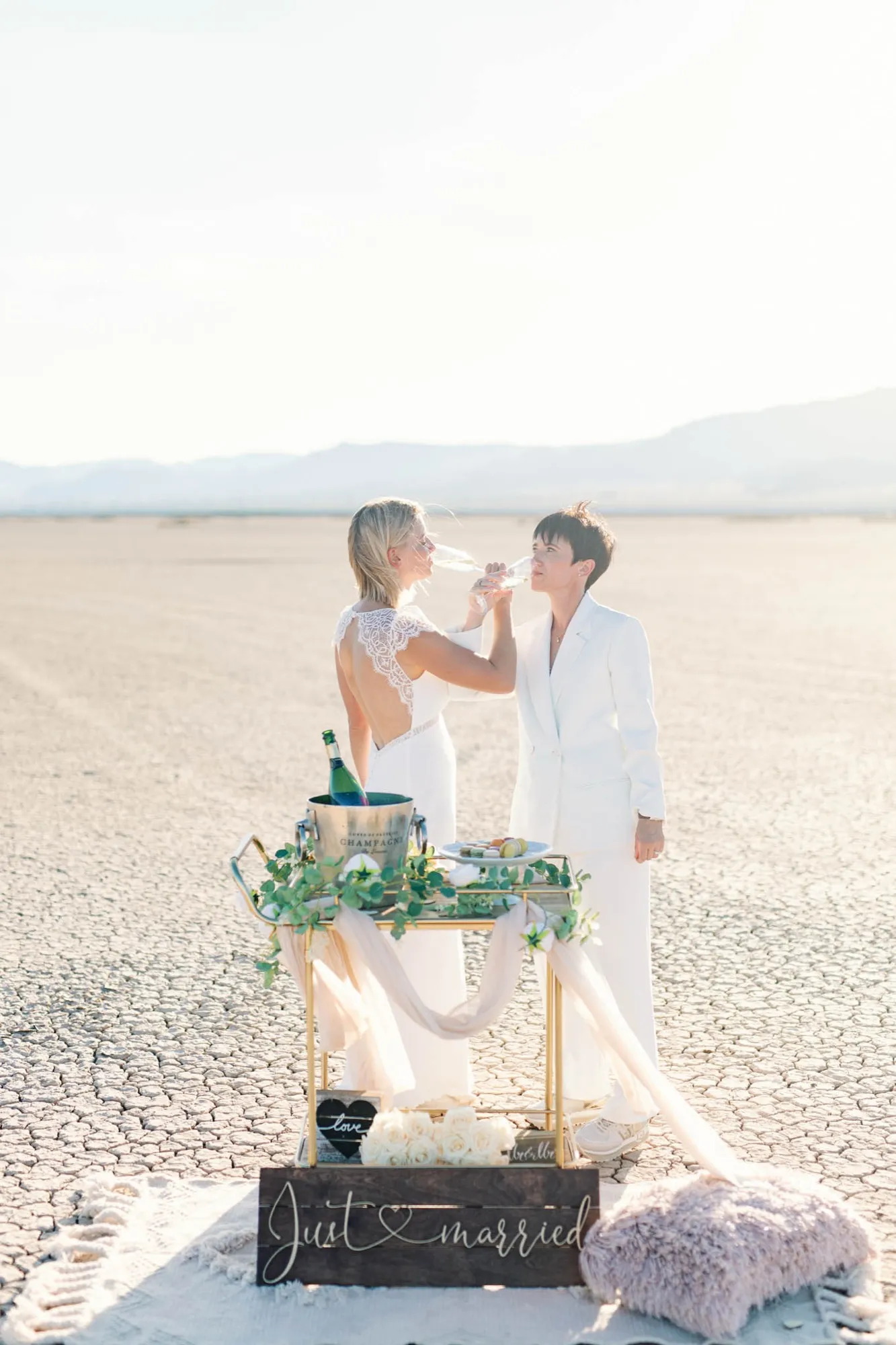
What This Costs
I can’t tell you what every photographer in town charges, because most of them won’t publish it. I can tell you mine, and I’d rather you know before you spend an evening emailing people.
I charge $300 an hour when you book two or more hours. Packages are that rate multiplied out, so there’s nothing bundled in and nothing hidden. Eight hours is what most couples pick for a full wedding day. Once your venue is booked, a $500 deposit holds your date, the rest isn’t due until a month before the wedding, and there’s no travel fee anywhere in Clark County. Prices do change over time, so take that as where things stand today rather than as a quote.
When you email everybody else, ask for the number in the reply. Some will send it and some will want you on a call first. A photographer who tells you what they charge before you’ve even met is usually just as direct about everything else.
In Las Vegas, Get It in Writing
Clark County issues about 80,000 marriages a year, more than any other wedding market in the country. At that volume, a lot of the photography here is sold the way a chapel sells a ceremony, as a fixed package with a set number of hours, picked from a list. The part that affects you is staffing. Bigger companies keep a roster of photographers and assign one to your date, sometimes not long before it, so the person whose photos made you want to book might not be the person who walks in. I’m one person, so my answer to that is short. Every photo in my portfolio is one I took, the person you meet at the consultation is the person who shows up, and in 17 years I’ve never missed a wedding.
So get the name in the contract. Ask who’s photographing your wedding, ask for that name to be written in, and ask what happens if that person can’t make it. A company that truly can’t name anybody this far out will tell you so, and then it’s your call whether to sign something that doesn’t say who’s coming.
While you’ve got the contract open, read the rest of it. If it has a bride line and a groom line, ask for your names instead, because that’s a one minute edit on their end. If you’re told the software won’t allow it, ask what the contract will actually say and get that answer in writing. Check the client questionnaire too. On names, the standard is simple. A person’s name is the name they tell you, whether or not it matches a document. Pronouns work the same way. Say them once, and expect them used from then on, including in emails you’re copied on. None of it is a lot to ask, and most photographers will just make the changes in the same reply.
You’re also protected by state law. Nevada law entitles everyone to equal service from a business that’s open to the public, and the protected grounds include sexual orientation and gender identity or expression. If a vendor here turns you away for who you are, you can walk out and file a complaint with the state’s Equal Rights Commission.
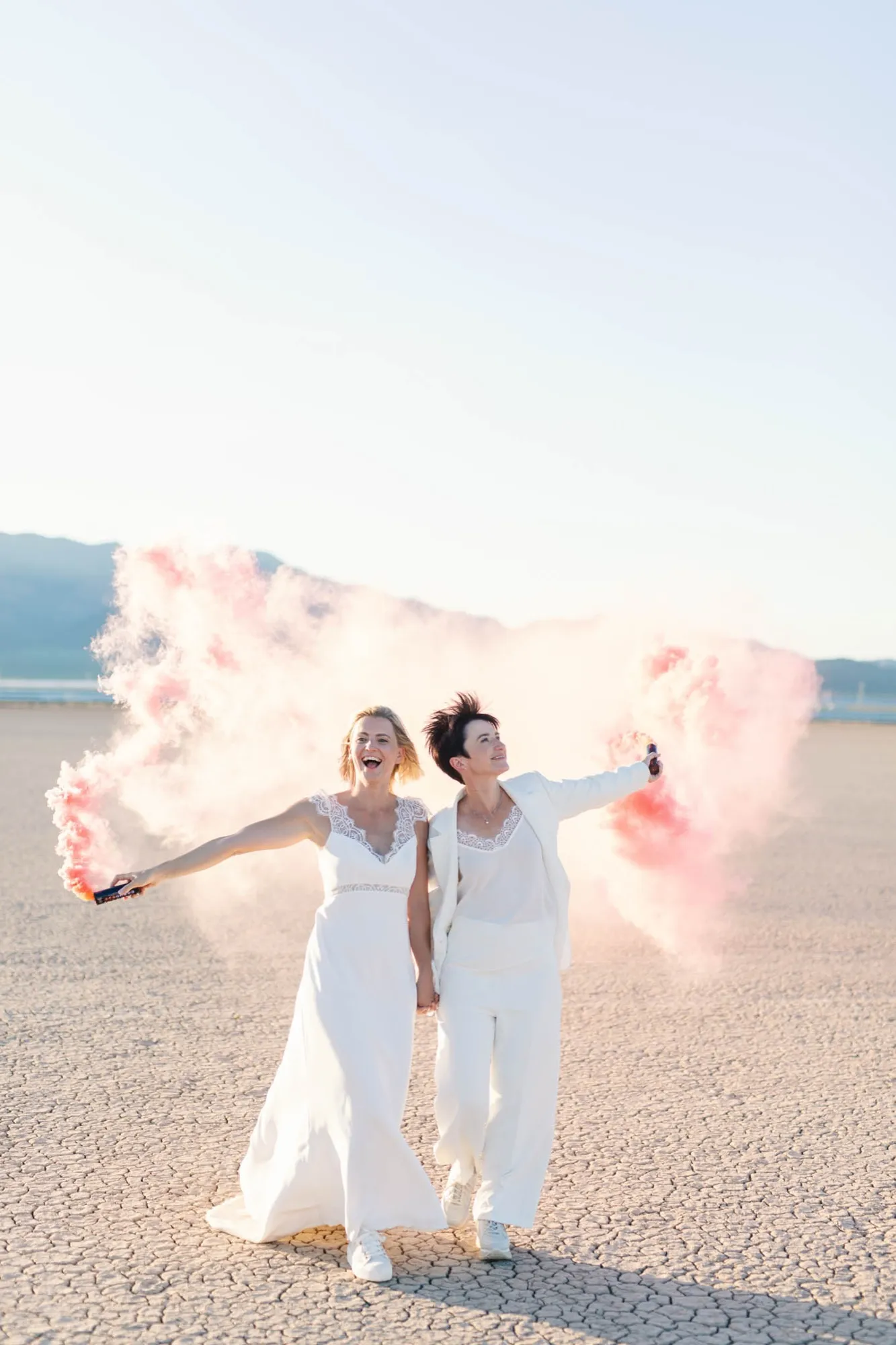
Do You Need a Queer Photographer, or Is an Affirming One Enough?
Here’s a way to actually decide this instead of going back and forth. Ask each other which of two things is bothering you more.
The first is having to explain yourselves. That means not being able to fully relax, wondering how a comment was meant, and doing all of that on a day when you’d rather be paying attention to each other.
The second is the photos themselves. That means whether you’ll be directed well, whether you’ll look like yourselves in the pictures, and whether somebody is going to arrange you as a bride and a groom when that isn’t who you are.
If it’s the first one, hire a queer photographer. Use the LGBTQ+ owned filter to find who’s out there, check the bios on their own sites and Instagram accounts, and ask your venue and your officiant who they’ve watched work. Hiring someone who already shares your experience means you skip the explaining altogether, and an ally, however good, can’t give you that. It’s a real reason to pick somebody, and it’s enough by itself. Wanting your money to go to a queer owned business is a real reason too, and you don’t have to justify either one to anybody.
If it’s the second one, what you’re really asking about is how a photographer works, and that isn’t something you can tell from who they are. A photographer who directs with prompts can direct any two people. A photographer with a list of positions built around one dress and one suit is going to struggle with you no matter who they are, queer or not. Judge that one on the questions above and on whole galleries.
And if it’s both, which it often is, start with queer photographers and then ask them the same questions. Being queer doesn’t automatically mean somebody directs well, and a photographer who gets your pronouns right but can’t make you look like yourselves still isn’t the photographer you want.
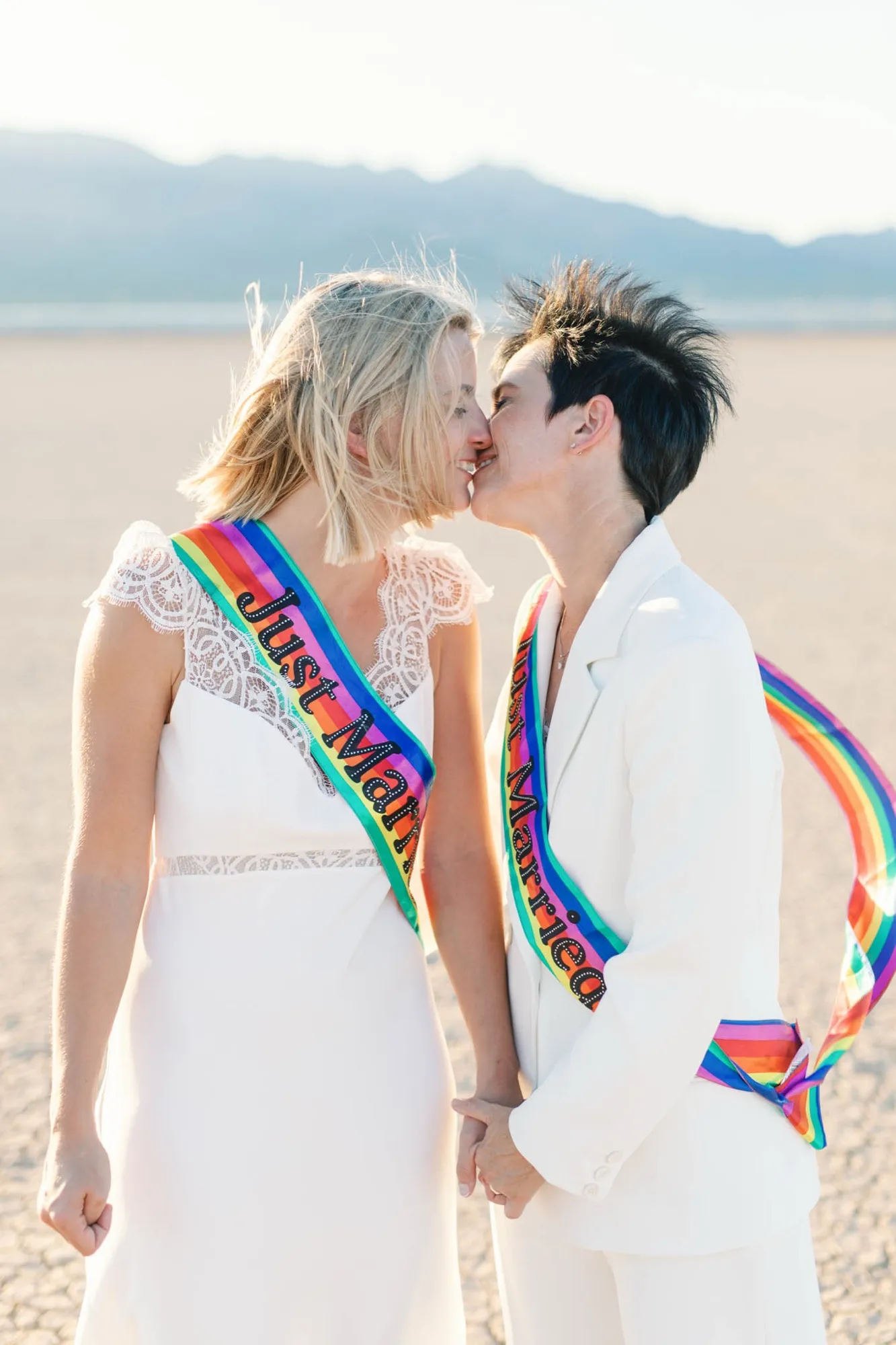
Common Questions From LGBTQ+ Couples Planning a Las Vegas Wedding
How many photographers should we email before we decide?
Three is usually enough. That’s plenty to compare how people answer, and few enough that you’ll actually read every reply properly. Send the same questions to all of them at the same time, and put your wedding date in the first line so you’re not vetting somebody who’s already booked.
What should we do if a photographer keeps getting our names or pronouns wrong?
Correct it once, in writing, and see what happens next. One mistake in an early email is normal and easy to fix. A second one after you’ve corrected them means your messages aren’t being read closely. If somebody can’t keep your names straight in a quiet email thread, they won’t manage it on a wedding day with a hundred things happening at once. If you’ve already booked, send the correction again and ask them to confirm it back to you.
How much do we need to explain about our relationship before the wedding?
Nothing about your relationship. What’s worth explaining is the plan for the day: who’s getting ready where, who’s walking in and how, what you want to be called during the ceremony, and which family photos matter to you. A good photographer will ask for all of that anyway, and you shouldn’t have to justify any of it.
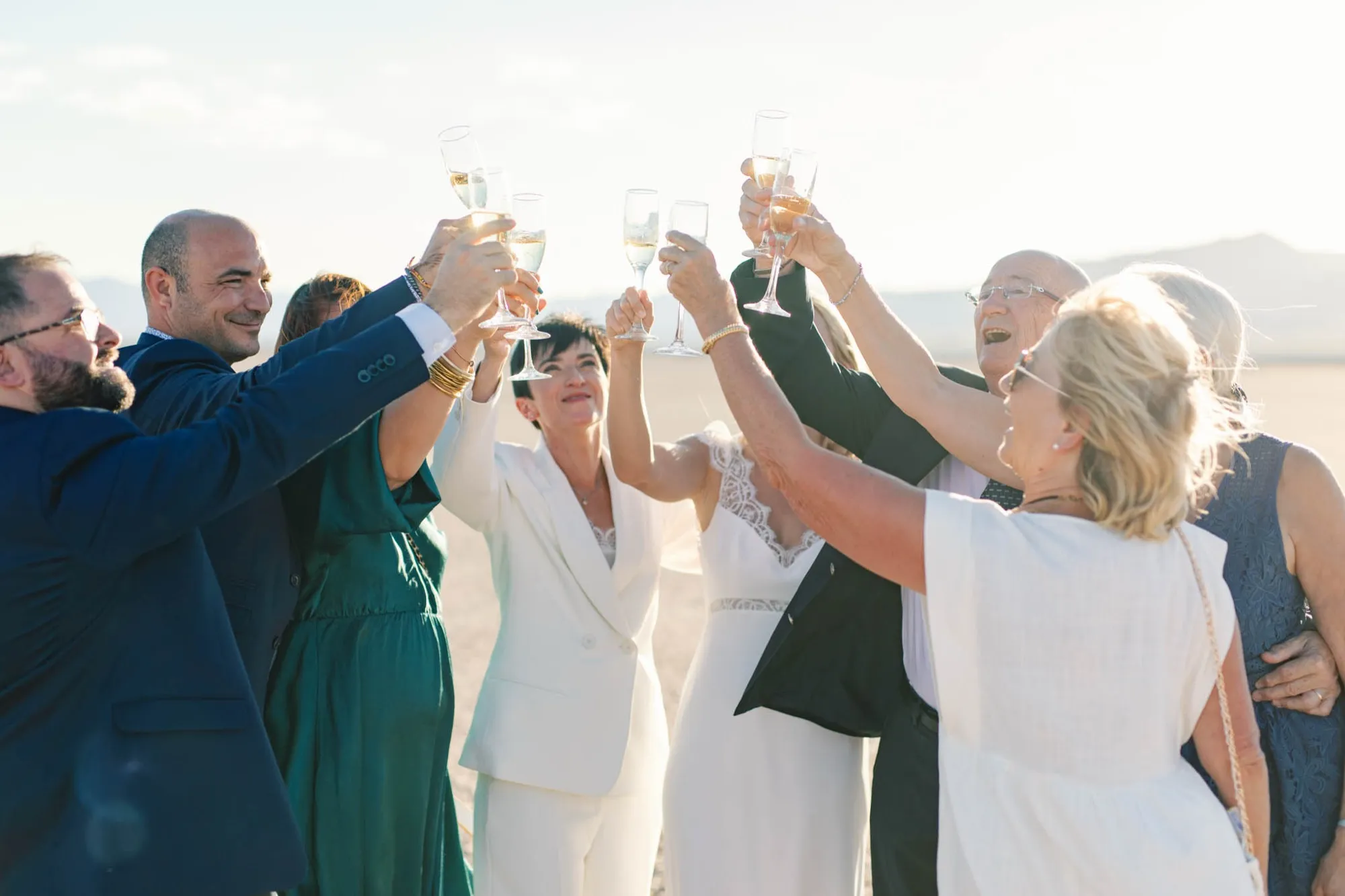
What if we’re planning from out of state and can’t meet anyone in person?
Almost all of this works over email and video, and plenty of couples book that way. Ask for a video call rather than a phone call so you can see how somebody is with you, and ask the questions in writing first, because a written answer is something you can reread later. If you’re coming to town at all before the wedding, an engagement session is the easiest way to find out what being photographed by that person actually feels like.
Talk to Me About Your Las Vegas Wedding
If you’re planning a wedding here and you want to try those questions on somebody, try them on me. Email me at mckenzie@msweddingimage.com and tell me about the two of you and what you’re planning. I’ll answer whatever you ask, including anything I didn’t get to here, and I would love to hear what you have in mind. Your names and pronouns go on everything from the first reply onward. If I turn out to be the right photographer for your wedding, that would make me so happy. And if I’m not, you’ll still know what to listen for when you email the next one.